
Do you need a permit for a porta potty in Santa Clarita?
Most job sites and backyard events place units entirely on private property, driveways, lawns, gravel pads, and that generally doesn't trigger a city permit process. The moment a unit sits on a public street, sidewalk, or right of way, the calculation changes, and that placement needs confirming with the city before you commit to a date. This isn't unique to toilets either; the same right-of-way question comes up for temporary fence rental and for a temporary power pole if a job needs one. We are not going to guess at a specific municipal code here, because permit rules and fees vary block by block and season by season. If you're planning a construction site services project anywhere near a curb line, ask us and we'll help you figure out what Santa Clarita wants to see before the truck rolls. The same logic applies to a dumpster: whether you need a permit for a dumpster on private pavement versus a permit for a dumpster on the street are two different conversations, and one is far more likely to require paperwork than the other.
What are the porta potty placement rules?
Placement rules are mostly about access and stability, not paperwork. OSHA 1926.51(c) sets the ratio for job sites: one toilet for 20 workers or fewer, then one toilet seat and one urinal per 40 workers as the crew grows past that, and per 50 once you're at 200 or more. Our OSHA Portable Toilet Requirements page breaks that down further if you're staffing a bigger crew. A standard unit runs about 44 by 48 inches on the ground and stands roughly 92 inches tall, so it needs a flat, stable surface and clear access for our truck to service it weekly under the ANSI/PSAI Z4.3 baseline interval. If someone in the crew or at the event needs accessible placement, ADA Standards section 213.2 requires at least 5 percent of a cluster to be accessible units, never fewer than one, and our ADA Accessible Porta Potty page covers the clearances involved. Our Porta Potty Placement Guide walks through ground conditions, wind exposure, and distance from work areas in more detail.
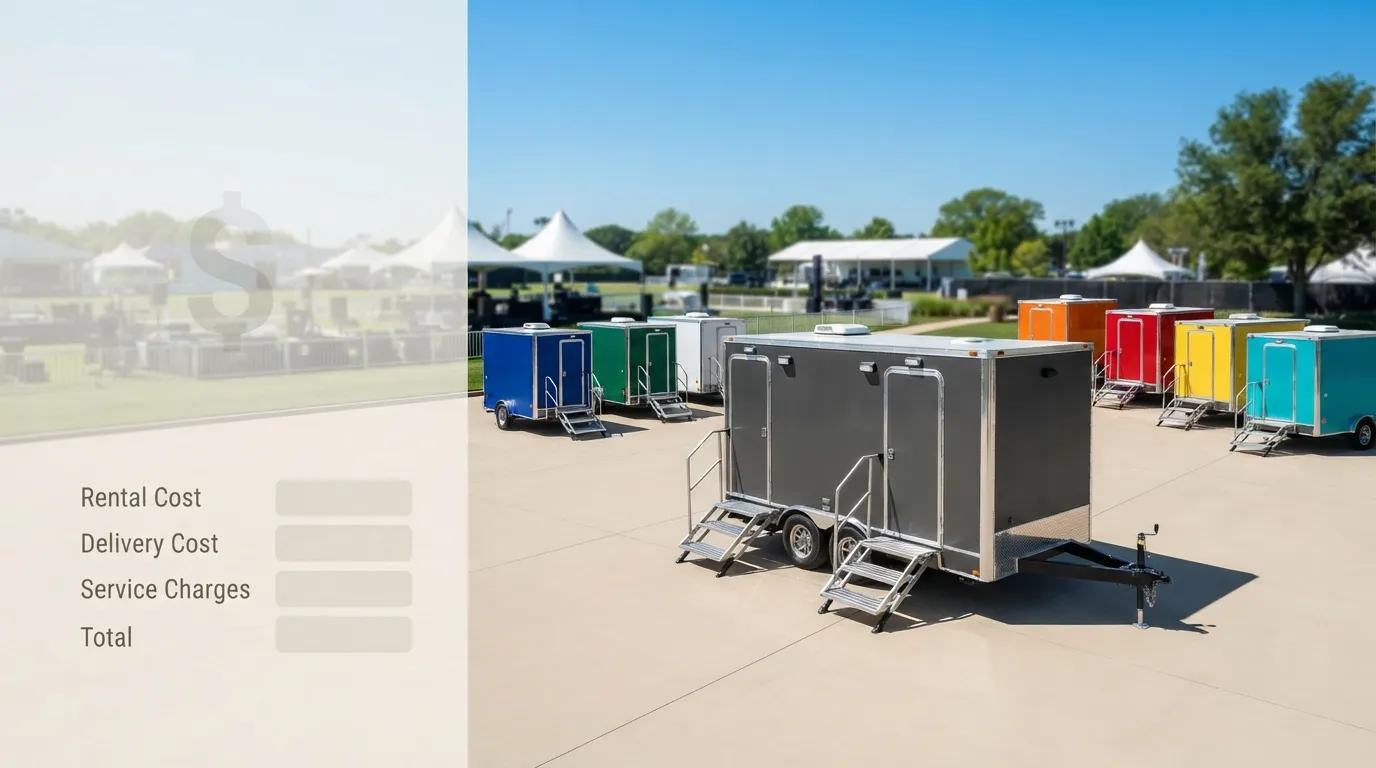
How does this compare to dumpster and septic permitting?
Dumpsters follow the same private-property-versus-street logic as toilets, but the stakes are often higher because a 20 or 30 yard box takes up more curb space than a single restroom. Our Dumpster Permit Requirements page covers what to check before ordering a Roll-Off Dumpster Rental, and delivery needs about 60 feet of straight clearance behind the truck regardless of whether the box sits on a driveway or a street. If your project is elsewhere and you're comparing notes, the same right-of-way question shows up for a roll-off dumpster rental in Delaware or a jersey city dumpster permit search just as it does here in Santa Clarita; city rules differ, but the private-versus-public distinction holds everywhere. Septic work is different again. A holding tank swap or Septic Pumping Service visit usually happens entirely on private property, so it rarely touches right-of-way rules at all, though a Grease Trap Pumping job at a commercial kititchen may involve a loading dock that borders a public alley. Check with the property manager first in those cases.
Where should I place units to avoid problems?
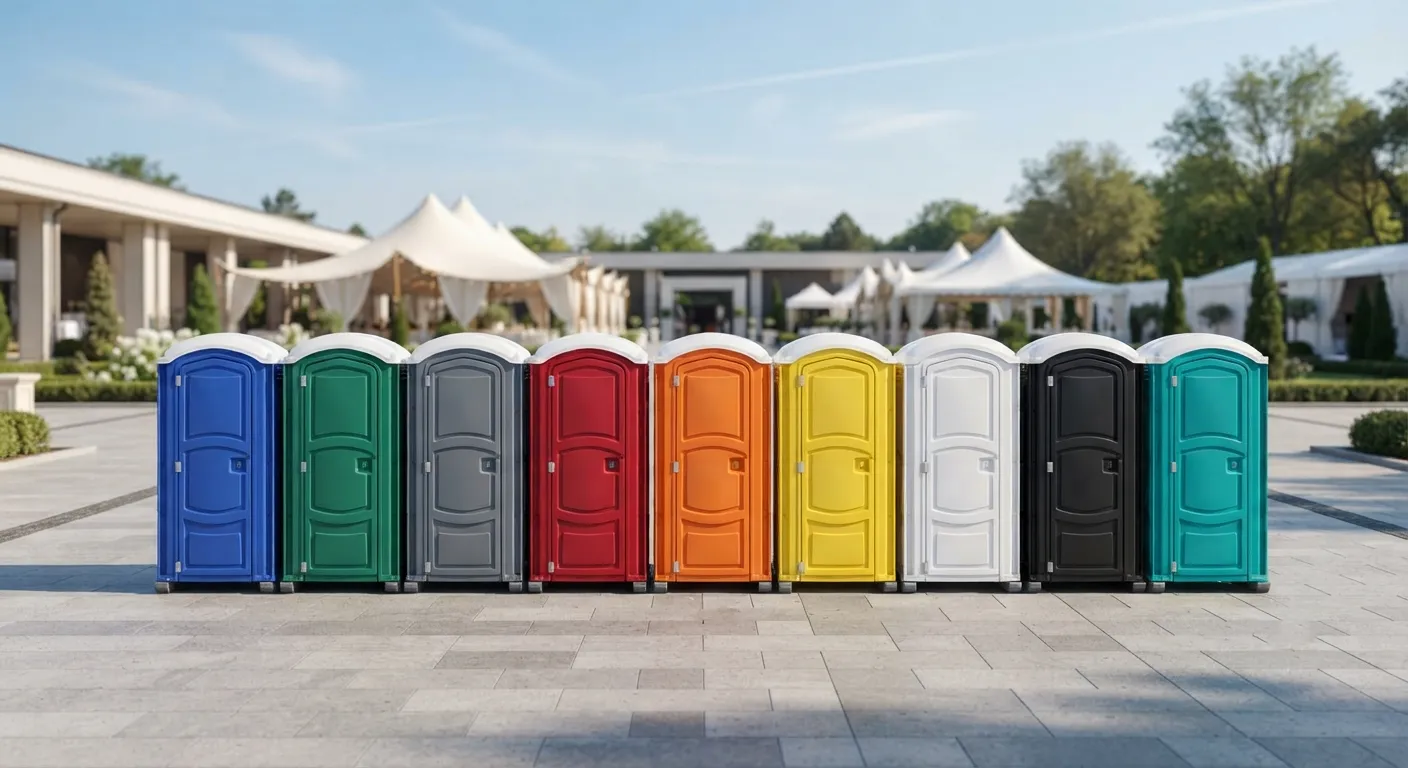
Keep units off marked accessible routes; ADA Standards section 403.5.1 calls for a minimum 36 inch clear width on accessible paths, and a unit parked across that line creates a real liability even on private land. Keep at least one accessible unit within reach of a 60 inch turning circle per ADA Standards section 304.3.1 if the event or job site serves the public. For agricultural sites, OSHA 1928.110 calls for field sanitation facilities within a quarter mile walk of hand-labor employees, one per 20 workers, which matters for anyone running a Farm and Agricultural Restrooms setup out past Stevenson Ranch or Castaic. If you're working a site 10.7 miles northwest in Castaic or 13.6 miles west in Val Verde, the same Santa Clarita-area permit logic applies since it's driven by where the unit sits, not the mileage from downtown. Pair placement with a Handwashing Station Rental if OSHA 1926.51(f)(1) applies to your work, which covers washing after paint, coatings, herbicides or insecticides specifically, not general use.
Do I need a permit for a porta potty in my driveway?
No, driveway placement on your own property doesn't typically need a city permit. It's private space, similar to renting a Storage Container Rental for a home project. If your driveway borders a shared easement or HOA-controlled area, check that agreement separately from any city rule.
Is a permit required to place a dumpster on the street?
Possibly, and it's worth confirming with Santa Clarita before delivery. Street placement is public right of way, which is treated differently than a driveway or yard. Ask early since some approvals take lead time before your 10 Yard Dumpster Rental or larger box arrives.
Do event restrooms need special permits?
Sometimes, depending on venue and expected headcount. A backyard wedding on private land is different from a festival on public parkland. Check with the venue first, then with us; our Event Restroom Rental team can help you plan around whatever the venue requires.
What happens if I place a unit in the right of way without checking?
You risk a citation or a forced relocation mid-rental, which costs time and sometimes a second delivery fee. It's a five-minute call to the city to avoid. We'd rather help you confirm it upfront than reroute a truck on delivery day.
Does a restroom trailer have different permit rules than a standard unit?
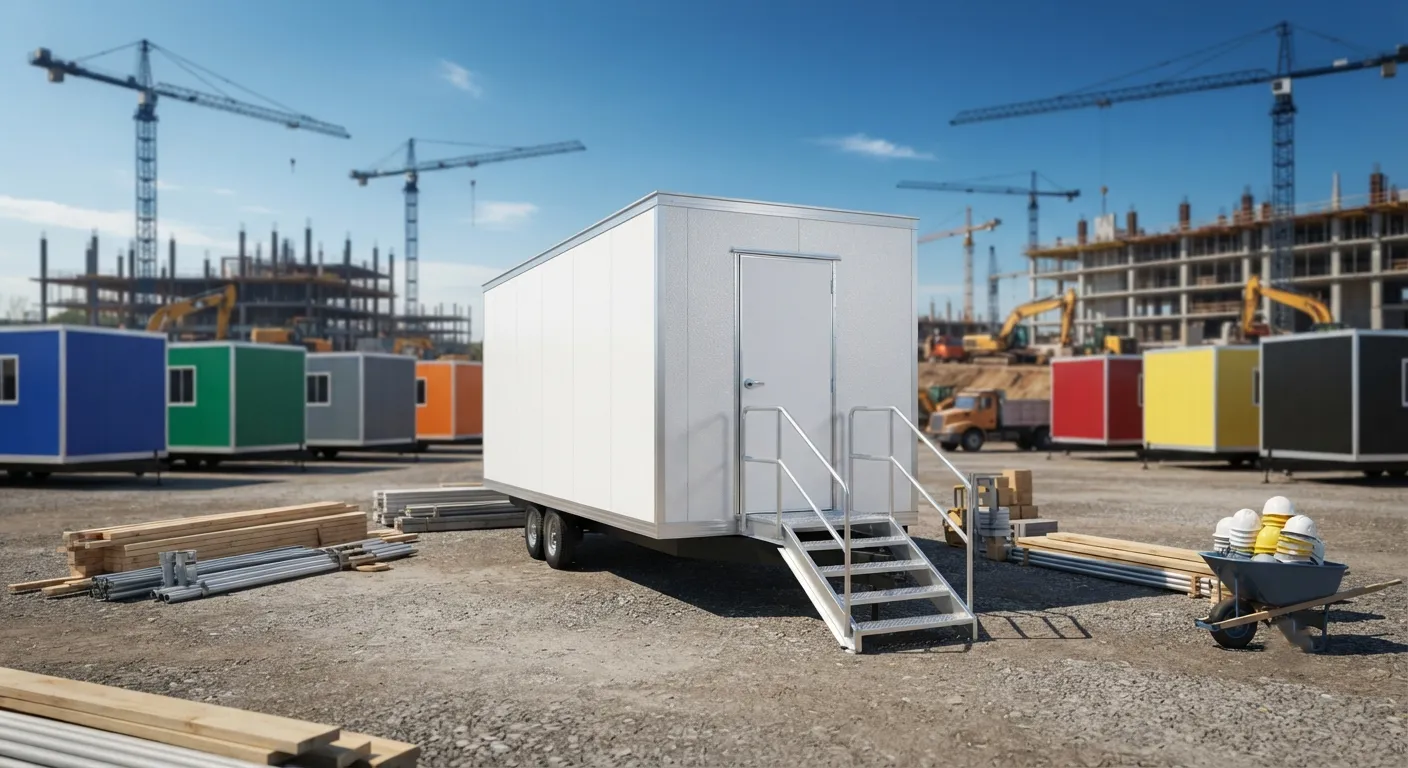
Not fundamentally, the private-versus-public distinction still governs it. A trailer is larger, so parking and clearance become bigger practical questions. See Restroom Trailer Rental for size and access details before you pick a spot.
Next step
Get a delivery date
Tell us the address, the dates and the headcount. We size the order and confirm the route.